-

Ahlan 2.0 Artisans x Artists
Funded by the US embassy Tunis this 3 years project aimed to invite US creatives and curate meaningful exchanges with other artists and our network of artisans, opening doors to unexpected possibilities and collaborations.
-

Ahlan 2.0 Farmers x Chefs
Harvest Lab, The first olive oil bar in Africa serves as a place to promotoe and elevate olive oil. It also hosts trainings, skills sharing and marketing and business opportunities. Furthermore chefs in residence become our ambassadors for sutainable quality foods. To date we have supported over 100 farmers and training 25 young engineers to olive oil sommelier.
-

Research
The "Living Archives©" Initiative is an anthropological project focused on preserving and revitalizing the cultural heritage of the UNESCO World Heritage Medina of Sousse. In collaboration with World Class University Researchers we compiled over 4000 archival entries.
-

Exhibits
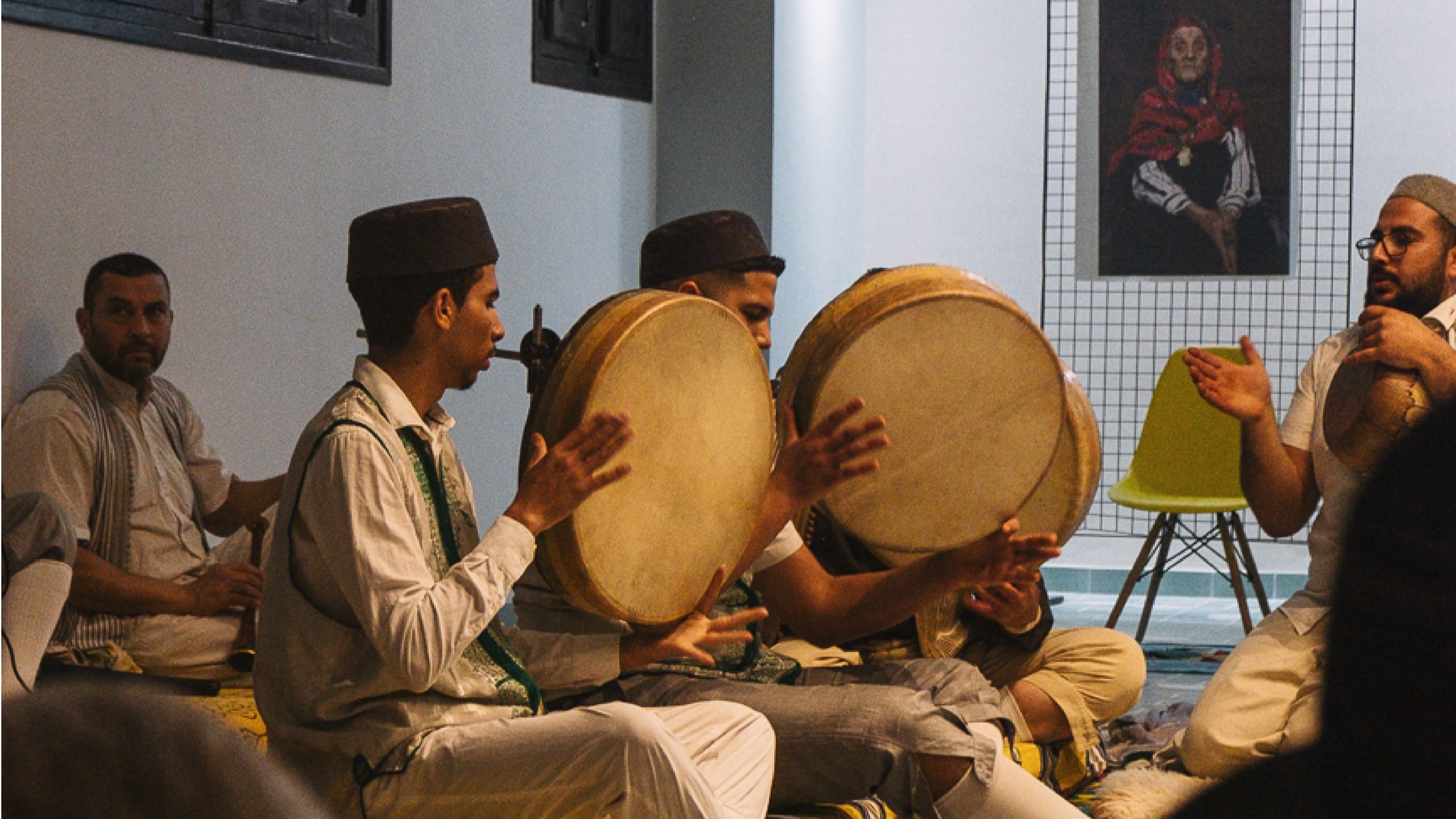
When artists and creatives join our residency, we invite them to give back through their talent, fostering meaningful exchange through exhibits, performances, conversations, and community tables.
-
Business Incubation
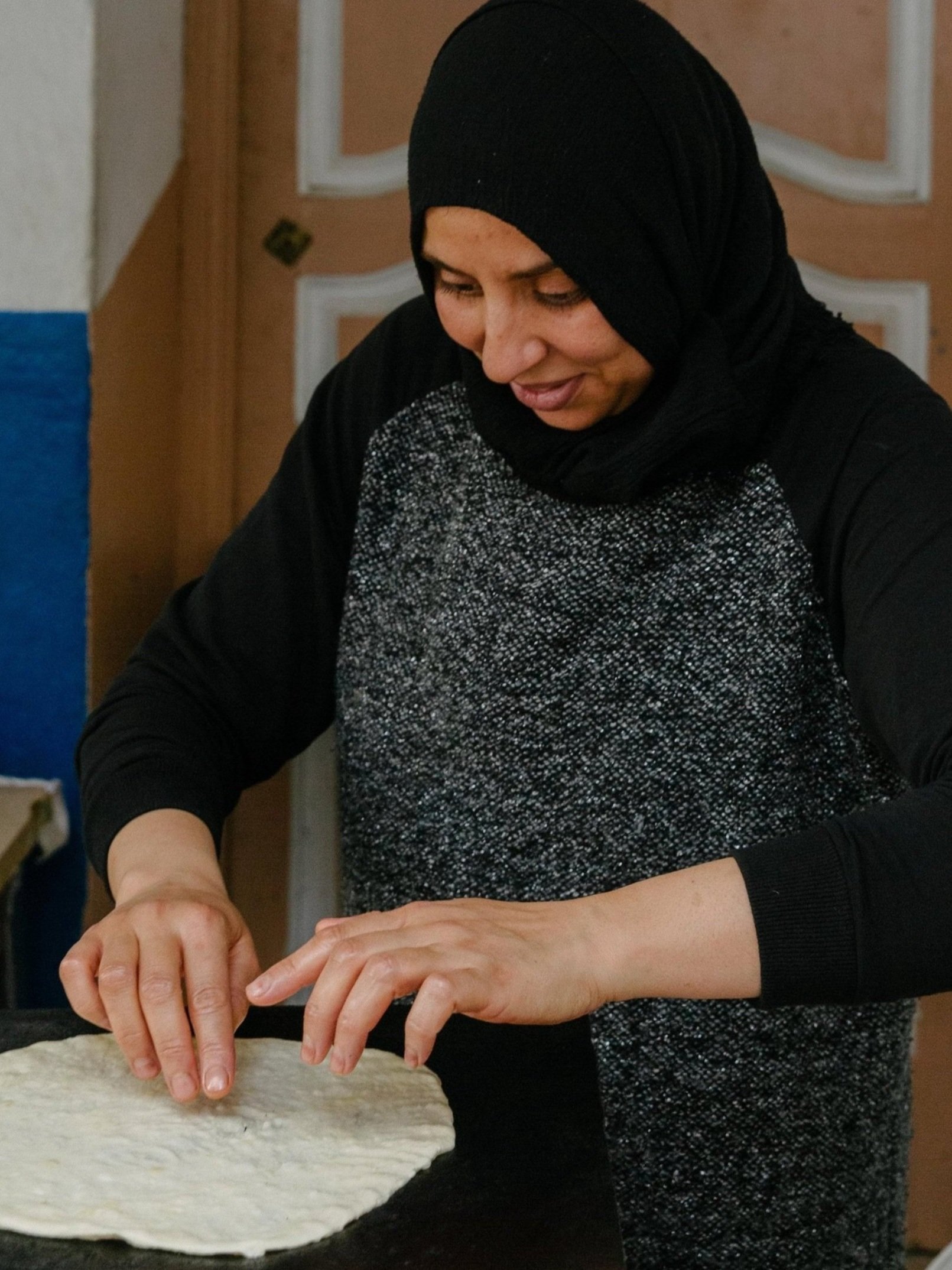
Through business incubation—whether in branding, sales training, business opportunities, or hosting pop-up stores—we empower entrepreneurs and amplify their reach to build resilient economies. To date we supported over 200 entrepreneurs.

INTBAU Tunisia Chapter
In Partnership with The New Medina, INTBAU Tunisia Chapter is a brand new chapter of the International Network for Traditional Building, Architecture and Urbanism (INTBAU). It was created in order to raise awareness of traditional architecture, traditional urbanism, and crafts within Tunisia and North Africa at large.
Established in cooperation with The New Medina, located in the historical center of Sousse, INTBAU Tunisia Chapter strives to revive interest in Tunisian architectural heritage and promote development of beautiful and sustainable built environment through use of local traditions. INTBAU Tunisia Chapter will act as a hub of education, cooperation, and practical activities to help ensure the continuity of traditional building craft.
The architecture of Tunisia is truly unique: from the medinas of Sousse, Tunis, and Kairouan to vernacular architecture of the south and high-quality domestic architecture of the north coast, the country can boast a variety of architectural traditions that should be kept alive.
Through conferences, workshops, publications, and educational tours, INTBAU Tunisia’s Chapter will unite local and international experts in the field of traditional architecture and urbanism.
One of the most significant projects is the planned INTBAU Tunisia Winter Camp that will provide participants with an educational experience that immerses participants in the world of traditional architecture, urban design, and craftsmanship in Tunisia. Regsiter your interest with the form below

Ghorba Project: Stories of Displacement and Belonging
"Ghorba" — a word that holds exile, distance, longing, and transformation.
This new project gathers personal narratives of displacement across North and West Africa and the Mediterranean. We explore how memory travels through people, media, ritual, and everyday gestures — from migration routes and archived letters to cooking rituals, mourning songs, and WhatsApp voice notes.
Through interviews, family photo albums, creative writing, and sound mapping, the Ghorba Project traces how displaced communities shape new forms of belonging, identity, and resistance.
Coming soon: a digital collection of stories, podcasts, and visual essays curated from our fieldwork across diasporas.
Current Research Projects
The New Medina is more than a physical space — it is a living archive of memory, and reinvention. Our research explores the layered heritage of North Africa through oral histories, cultural practices, and spatial narratives. We work at the intersection of anthropology, art, and architecture to document the knowledge that lives in bodies, homes, rituals, and languages.
The "Living Archives©" Initiative is an anthropological project focused on preserving and revitalizing the cultural heritage of the UNESCO World Heritage Medina of Sousse.
Documentation and preservation of intangible cultural heritage, including social practices, rituals, and traditions that define the community's identity.
Maintaining cultural continuity while adapting heritage spaces and practices to serve contemporary needs.
Engaging the community, especially youth, in heritage preservation through educational programs and active participation.
Using modern technology alongside traditional methods to enhance preservation and transmission of cultural knowledge.
Balancing heritage preservation with sustainable development to protect cultural and environmental resources for future generations.
The initiative aims to transform heritage spaces and practices by:
Preserving cultural integrity while adapting sensitively to modern needs
Documenting cultural narratives and integrating traditional and modern knowledge
Developing educational and cultural programs to promote understanding and appreciation of heritage
Collaborative efforts in the Medina of Sousse focus on:
Restoring and revitalizing sacred spaces, residential areas, marketplaces, and public spaces
Reconnecting the community with its shared heritage
Fostering a sense of ownership and responsibility among community members
The project recognizes that preserving heritage is not just about physical restoration but about keeping cultural practices alive and meaningful in the face of modern challenges like urban sprawl and changing societal norms